
The rental economy keeps expanding. Consumers and businesses increasingly prefer renting over buying - whether it's construction equipment for a weekend project, a bounce house for a birthday party, or a camera rig for a short film. Lower commitment, less storage, and instant access beat ownership for hundreds of product categories.
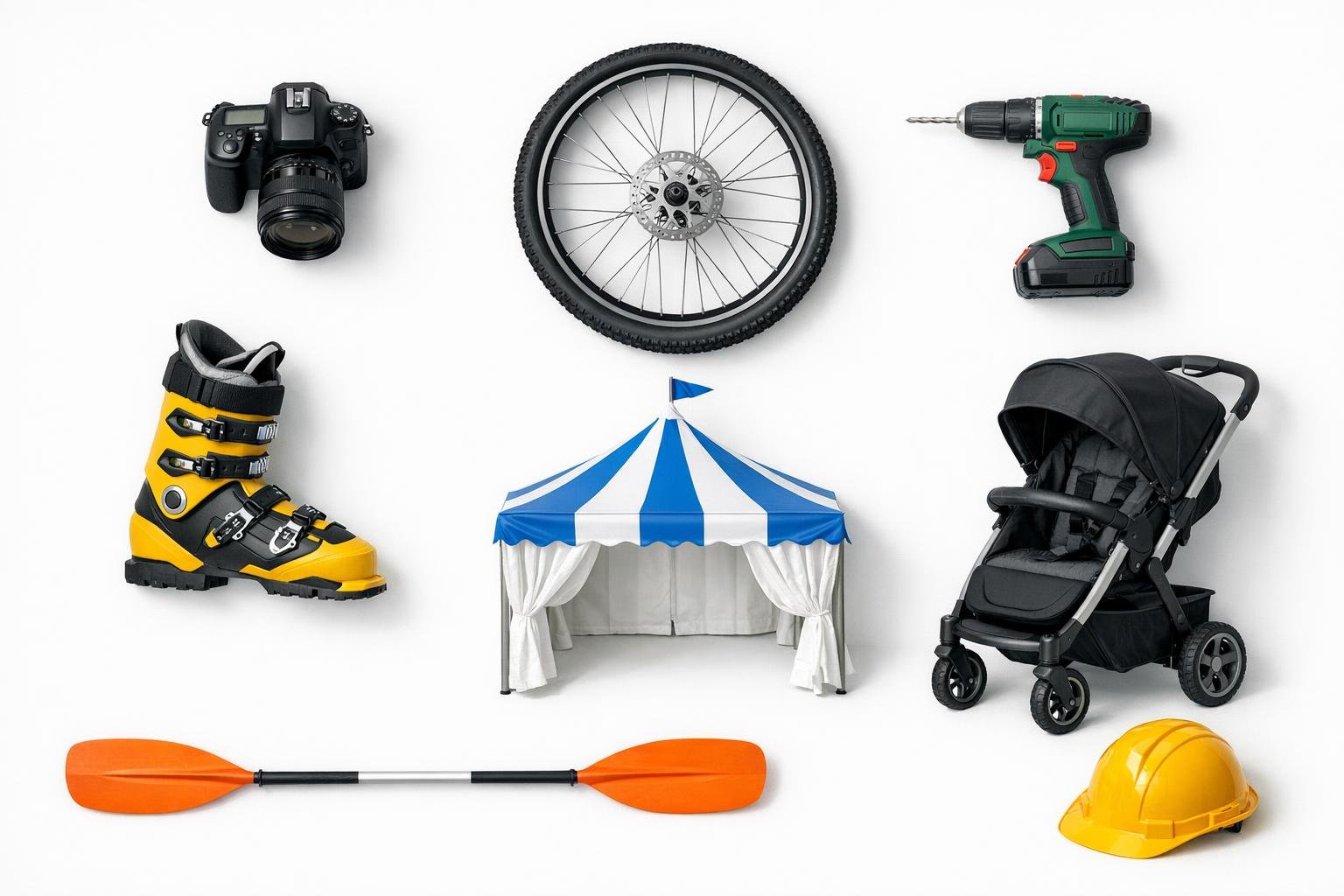
This guide covers 243 rental business ideas across 18 categories. Some are well-established industries with proven demand. Others are emerging niches where early movers can dominate local markets. Every idea includes a brief note on why it works, who the customers are, or what makes it viable in 2026. Use this as a starting point - then validate demand in your specific market before investing.
Table of Contents
- Event & Party Rentals (22 ideas)
- Vehicle & Transportation (21 ideas)
- Construction & Heavy Equipment (16 ideas)
- Outdoor & Adventure (20 ideas)
- Technology & Electronics (15 ideas)
- Photography & Video (11 ideas)
- Baby & Kids (11 ideas)
- Home & Garden (16 ideas)
- Fashion & Accessories (11 ideas)
- Sports & Fitness (15 ideas)
- Medical & Mobility (10 ideas)
- Camping & Travel (11 ideas)
- Wedding & Special Occasions (12 ideas)
- Farm & Agricultural (10 ideas)
- Office & Business (10 ideas)
- Musical Instruments & Audio (9 ideas)
- Seasonal & Holiday (8 ideas)
- Unique & Niche (15 ideas)
- How to Start a Rental Business
- FAQ
1. Event & Party Rentals
Event rentals are one of the most reliable rental categories. People throw parties year-round, and very few want to own 200 folding chairs or a 40-foot tent. Margins are strong because the same inventory rents out dozens of times per year.
- Tables and chairs. The bread and butter of event rentals. Round tables, banquet tables, chiavari chairs, folding chairs - every event needs seating. Low cost per unit, high rental frequency.
- Tents and canopies. Frame tents, pole tents, clear-span tents, pop-up canopies. Weddings, corporate events, and festivals drive consistent demand. Larger tents ($5,000-$15,000 each) command $500-$2,000+ per rental.
- Bounce houses and inflatables. Birthday parties keep this market alive year-round in warm climates. Seasonal in colder areas but extremely profitable during peak months. $1,500-$4,000 per unit, renting at $150-$400 per day.
- Linens and tableware. Tablecloths, napkins, chair covers, charger plates, glassware. High-volume, low-cost items that pair well with table/chair rentals.
- Portable bars. Mobile bars for weddings, corporate events, and private parties. Higher margins than basic furniture because they're specialty items.
- Dance floors. Portable dance floors in various sizes. Weddings and gala events are the primary market. One floor can rent for $300-$800 per event.
- Stage and riser rentals. Modular staging for concerts, speeches, presentations. Corporate event planners and schools are steady customers.
- Lighting rentals. String lights, uplighting, spotlights, LED panels. Event lighting transforms venues and commands premium pricing for relatively lightweight inventory.
- Red carpet and stanchion rentals. Velvet ropes, brass stanchions, red carpet runners. Low storage requirements, used at grand openings, movie premieres, and corporate galas.
- Popcorn and cotton candy machines. Concession equipment for carnivals, school events, and parties. Cheap to buy, easy to maintain, renters love them.
- Chocolate fountains. Popular for weddings and corporate events. A single unit costs $200-$500 and rents for $75-$150 per event.
- Photo booth rentals. DIY or attendant-operated booths with props. Social media sharing features make these popular at every type of celebration. $500-$1,500 per event.
- Karaoke machine rentals. Microphones, speakers, screen, and song library. House parties, corporate team-building events, and birthday celebrations.
- Fog and bubble machines. Special effects equipment for parties, haunted houses, and themed events. Low cost, high novelty factor.
- Projector and screen rentals. Outdoor movie nights have exploded in popularity. A projector, inflatable screen, and audio system rent as a package for $200-$500 per night.
- Portable PA systems. Speeches, outdoor ceremonies, sporting events. Wireless microphone kits paired with powered speakers are easy to transport and set up.
- Balloon arch and decor rentals. Pre-made balloon garlands and arch kits. Saves customers hours of DIY work. Growing fast for baby showers and birthdays.
- Dunk tank rentals. Fundraisers, school carnivals, and company picnics. Seasonal but commands $200-$400 per rental.
- Mechanical bull rentals. Western-themed parties, fairs, and college events. High-novelty rental with strong word-of-mouth marketing.
- Giant game rentals. Oversized Jenga, Connect Four, corn hole, yard dice. Low cost to build or buy, popular at outdoor weddings and corporate events.
- Portable restroom trailers. Luxury restroom trailers (not blue porta-potties) for upscale outdoor events. High demand at weddings, festivals, and construction sites. $500-$2,000+ per event.
- Event fencing and crowd barriers. Temporary fencing for crowd control at concerts, races, and festivals. Bulk inventory that rents by the linear foot.
2. Vehicle & Transportation
Vehicle rentals range from utility trailers to luxury cars. The key is matching your inventory to local demand - a beach town needs different vehicles than a mountain community.
- Utility trailers. Open and enclosed trailers for moving, hauling, and landscaping. Consistent demand from homeowners and contractors who need a trailer once or twice a year.
- Dump trailers. Essential for landscaping, roofing tear-offs, and small demolition projects. Higher margins than utility trailers because the alternative (dumpster rental) costs more.
- Car hauler trailers. Auto enthusiasts, dealers, and mechanics need to move vehicles. Specialized but steady demand.
- Box trucks. Local moving, delivery services, and seasonal retail overflow. Weekend demand is strongest.
- Cargo vans. Smaller than box trucks, easier to drive. Perfect for apartment moves, furniture pickups, and small business deliveries.
- Pickup trucks. Rent by the day for landscaping hauls, dump runs, and weekend projects. Popular in urban areas where fewer people own trucks.
- Golf carts. Resort communities, beach towns, retirement villages, and large event venues. Street-legal golf carts rent for $50-$150 per day.
- Electric scooters and mopeds. Tourist destinations and college towns. Fleet management software handles rentals at scale.
- E-bikes. Tourism, urban commuting, and recreational trails. Growing fast as battery technology improves and cities add bike infrastructure.
- Classic and luxury cars. Weddings, photo shoots, prom nights, and special occasions. A single vintage car can command $500-$2,000 per day.
- Sports cars (exotic car experiences). Lamborghini, Ferrari, and Porsche rentals for experiences and special occasions. High insurance costs but premium pricing.
- Passenger vans. Family trips, church groups, sports teams. 12-15 passenger vans fill a gap between car rentals and charter buses.
- RVs and camper vans. The peer-to-peer RV rental market has proven massive demand. Owner-operators can earn $15,000-$40,000/year per unit.
- Motorcycles. Touring destinations like coastal highways, mountain roads, and scenic routes. Harley-Davidson, BMW, and adventure bike rentals serve tourists.
- ATVs and UTVs. Off-road recreation near trails, dunes, and rural areas. Guided tour packages increase revenue per rental.
- Jet skis. Lakes, beaches, and coastal areas. Peak summer demand with $100-$200/hour pricing makes this highly seasonal but lucrative.
- Pontoon boats. Lake communities and tourist areas. Family-friendly, easy to operate, and in high demand on summer weekends.
- Kayaks and canoes. Rivers, lakes, and coastal areas. Low acquisition cost ($500-$1,500 per unit) with $40-$80 per rental.
- Paddleboards (SUP). Beach towns and lakeside communities. Lightweight, easy to store, and popular with tourists and fitness enthusiasts.
- Snowmobiles. Winter resort areas. $200-$400 per day with guided tour packages adding margin.
- Horse trailers. Equestrian communities need trailers for shows, vet visits, and relocations. Specialized market with loyal repeat customers.
3. Construction & Heavy Equipment
Construction rentals serve contractors and DIYers who need expensive equipment for short projects. The capital investment is higher, but so are the rental rates and contract lengths.
- Mini excavators. The most rented piece of construction equipment in North America. Landscaping, foundation work, utility trenching. $250-$500/day.
- Skid steers. Versatile loaders for grading, demolition, snow removal, and landscaping. Attachments multiply their usefulness.
- Dumpsters and roll-off containers. Renovation projects, cleanouts, and roofing jobs generate consistent demand. $300-$600 per haul cycle.
- Scaffolding. Painters, roofers, and masons rent scaffolding by the week or month. Modular systems that stack and ship easily.
- Aerial lifts and boom lifts. Tree trimming, building maintenance, sign installation. $200-$800/day depending on height and type.
- Scissor lifts. Interior construction, warehouse maintenance, and event setup. More common than boom lifts for indoor work.
- Concrete mixers. Portable concrete mixers for small pours - patios, walkways, fence posts. Homeowners rent these for weekend projects.
- Plate compactors. Paver installation, gravel driveways, and trench backfill. Small equipment with big demand from landscapers and contractors.
- Generators. Construction sites, outdoor events, emergency backup, and film shoots. Ranges from portable 2kW units to towable 50kW+ generators.
- Trenchers. Irrigation, sprinkler systems, and utility line installation. Walk-behind models serve homeowners; ride-on models serve contractors.
- Stump grinders. Tree removal aftermath. Homeowners rarely buy one but regularly need one. $150-$300/day.
- Pressure washers (commercial grade). Deck cleaning, driveway restoration, fleet washing. Commercial-grade units rent at $75-$200/day.
- Jackhammers and demolition hammers. Concrete removal, tile demolition, and renovation projects. Electric and pneumatic models for different job sizes.
- Forklifts. Warehouses, construction sites, and events. Rented by the day, week, or month with delivery included.
- Light towers. Nighttime construction, parking lot events, emergency scenes. Towable light towers rent for $100-$300/day.
- Temporary fencing. Construction site perimeters, event boundaries, and crowd control. Rented by the panel and installed by your crew.
4. Outdoor & Adventure
Outdoor recreation spending continues to grow. Tourists and weekend warriors prefer renting gear they'll use once or twice rather than buying and storing it. Location matters enormously here - match your inventory to what people do in your area.
- Ski and snowboard equipment. Resorts charge premium walk-up rates. Independent shops near ski areas offer better value and capture significant volume.
- Mountain bikes. Trail systems, resort areas, and urban bike-share programs. High-end full-suspension bikes command $75-$150/day.
- Surfboards. Beach communities with consistent waves. Soft-top boards for beginners are cheap to maintain and rent well.
- Hiking gear packages. Backpacks, trekking poles, water filtration, and sleeping bags bundled for multi-day trips. Near national parks and trailheads.
- Rock climbing gear. Harnesses, ropes, shoes, and crash pads. Gym climbers transitioning to outdoor climbing rent before investing.
- Camping equipment kits. Tent, sleeping bag, pad, stove, and cookware as a complete package. Targets first-time campers and tourists.
- Fishing gear. Rod, reel, tackle, and cooler packages. Lake resorts, charter boats, and coastal tourist areas.
- Snorkel and dive gear. Masks, fins, snorkels, wetsuits, and tanks. Tropical and coastal tourist destinations.
- Paddleboard yoga equipment. Inflatable boards with anchors for fitness classes. Yoga studios near water are partnering with rental operators.
- Birdwatching optics. Binoculars and spotting scopes near wildlife refuges and birding hotspots. Niche but the clientele spends freely.
- Metal detectors. Beach vacationers and hobbyists. Low cost per unit ($200-$600) with $30-$50/day rental rates.
- Geocaching kits. GPS devices and starter kits for families exploring trails. Works well near state parks and tourist areas.
- Slackline and tightrope kits. Festival-goers, park visitors, and fitness enthusiasts. Novelty factor drives social media sharing.
- Archery equipment. Bows, arrows, and targets for backyard use, parties, and team-building events. Growing hobby market.
- Disc golf sets. Complete disc sets near disc golf courses. Low investment, growing sport.
- Snowshoes. Winter hiking areas. Simple gear that's easy to fit, easy to maintain, and popular with tourists.
- Cross-country ski equipment. Nordic centers and winter trail areas. Less expensive than downhill gear with steady demand.
- Ice fishing equipment. Augers, shelters, rods, and heaters. Highly seasonal but strong in northern lake regions.
- Whitewater rafts and gear. River communities with rapids. Guided packages or self-service rentals with shuttle service.
- Windsurfing and kiteboarding gear. Coastal and lake areas with consistent wind. Equipment costs are high ($2,000-$5,000), making rentals attractive to beginners.
Turning any rental idea into a business?
Reservety handles bookings, inventory, payments, and your website for any rental vertical. $59/mo, zero commission.
Start Free Trial5. Technology & Electronics
Tech depreciates fast, which makes renting logical for businesses and consumers who need equipment temporarily. The challenge is keeping inventory current - last year's model rents at a steep discount.
- Laptops. Conferences, training sessions, temporary employees, and pop-up offices. Bulk laptop rental for corporate events is a solid B2B market.
- Tablets and iPads. Trade shows, point-of-sale setups, event registration, and surveys. Often rented in batches of 10-50.
- VR headsets. Corporate training, real estate walkthroughs, and entertainment events. High novelty factor, growing business applications.
- Drones. Real estate photography, surveying, event videography, and agriculture. FAA Part 107 certification required for commercial use adds a barrier that reduces competition.
- Portable WiFi hotspots. Travel, events, and temporary offices. Low cost per device with monthly data plans.
- 3D printers. Prototyping, education, and hobbyists who want to test before buying. Niche but growing.
- Satellite phones. Remote adventure travel, disaster preparedness, and offshore work. Expensive devices ($800-$1,500) that rent well at $10-$20/day.
- Two-way radios. Construction sites, events, ski resorts, and production sets. Bulk rental by the week or month.
- Portable monitors. Remote workers, traveling professionals, and gaming events. Lightweight displays that extend laptop screens.
- Electric vehicle chargers (portable). Events, RV parks, and temporary installations. Emerging market as EV adoption grows.
- Smart home demo kits. Real estate staging and home automation companies demonstrating products. Niche B2B opportunity.
- Teleprompters. Public speakers, politicians, YouTubers, and corporate video producers. Simple equipment with $50-$150/day rental rates.
- Thermal imaging cameras. Home inspectors, HVAC technicians, and energy auditors. Devices cost $1,000-$5,000 but are needed infrequently by most users.
- Digital signage displays. Trade shows, retail pop-ups, and corporate lobbies. Large-format screens on stands for temporary installations.
- Podcast recording kits. Microphones, interfaces, headphones, and portable sound treatment. Content creators testing the format before investing.
6. Photography & Video
Camera gear is expensive, evolves quickly, and many creators only need specific lenses or bodies for particular shoots. Rental is the norm in professional production and growing among hobbyists.
- DSLR and mirrorless cameras. Canon, Sony, Nikon bodies for weddings, events, and content creation. Flagship bodies ($3,000-$6,000) rent for $75-$200/day.
- Cinema cameras. RED, ARRI, and Blackmagic rigs for film, commercials, and music videos. High-value rentals with multi-day rates.
- Camera lenses. Specialty lenses (ultra-wide, tilt-shift, macro, fast telephoto) that photographers need occasionally. Individual lenses rent for $25-$150/day.
- Lighting kits. Studio strobes, continuous LED panels, softboxes, and reflectors. Portrait photographers and product shooters rent entire kits.
- Video stabilizers and gimbals. DJI Ronin, Zhiyun, and Freefly systems for smooth handheld video. Filmmakers rent rather than own because models change frequently.
- Tripods and camera support. Heavy-duty tripods, sliders, jibs, and dollies. Rental houses stock what most creators can't justify buying.
- Green screen and backdrop kits. Chroma key backgrounds, muslin backdrops, and stand systems. Studios, YouTubers, and corporate video teams.
- GoPro and action cameras. Vacation rentals, adventure travelers, and extreme sports participants who want footage without buying a camera.
- Film camera rentals. 35mm and medium format analog cameras for photographers exploring film. Resurgent hobby market.
- Instant camera rentals (Instax/Polaroid). Weddings, parties, and events where instant prints become guestbook keepsakes. Bundle with film packs.
- Audio recording kits for video. Boom mics, wireless lavs, and field recorders. Every video production needs good audio, and quality gear costs $1,000+.
7. Baby & Kids
Parents traveling with young children face a brutal logistics problem: car seats, strollers, cribs, and high chairs are essential but impossible to pack. Baby equipment rental solves this, especially in vacation and tourist markets.
- Baby strollers. Lightweight and jogging strollers for vacation destinations. Airport delivery and hotel drop-off services add convenience.
- Car seats. Infant, convertible, and booster seats for traveling families. FAA-approved seats for flying families are especially popular.
- Cribs and pack-n-plays. Hotels rarely provide quality sleep options for infants. Vacation rental properties (Airbnb) create steady demand.
- High chairs and booster seats. Restaurant-quality high chairs delivered to vacation rentals and event venues.
- Baby swings and bouncers. Grandparents hosting visits and vacation rental properties. Items used for a few months, then never again.
- Kids bike trailers. Families on cycling vacations or weekend trail rides. Attach-and-go trailers that fit most adult bikes.
- Toy libraries. Subscription-style toy rotation for local families. Parents pay monthly; kids get fresh toys every few weeks. Reduces waste and clutter.
- Children's party equipment. Ball pits, toddler bounce houses, soft play sets, and sensory toys for birthday parties. Scaled-down versions of event rentals.
- Kid-size camping gear. Sleeping bags, backpacks, and camp chairs sized for children. Families trying camping before investing in gear for growing kids.
- Baby monitors (travel-grade). High-end video monitors for parents staying in vacation rentals without baby-proofed rooms.
- Breast pump rentals. Hospital-grade breast pumps (like Medela Symphony) that cost $1,000+ to buy but rent for $50-$80/month. Medical supply stores already do this.
8. Home & Garden
Homeowners constantly tackle projects that require tools they'll use once. The rental opportunity here is enormous because the tools are expensive, bulky, and used for a single weekend.
- Power tools (general). Circular saws, miter saws, drills, sanders, and routers. Hardware stores dominate this, but independent rental shops compete on service and delivery.
- Carpet cleaners. Rug Doctor built a business on this model. Commercial-grade extractors rent at grocery stores, but professional units with better suction command premium prices through rental shops.
- Floor sanders. Refinishing hardwood floors is a popular DIY project. Drum sanders, edgers, and buffers rent as a package for $100-$200/day.
- Tile saws. Wet tile saws for bathroom and kitchen renovations. Homeowners need them for one project, then never again.
- Lawn aerators. Core aerators improve lawn health, but the machines cost $2,000-$4,000. Homeowners rent them for $60-$100/day, typically in spring and fall.
- Rototillers. Garden bed preparation in spring. Walk-behind tillers rent for $50-$80/day with strong seasonal demand.
- Chainsaws. Storm cleanup, tree trimming, and firewood cutting. Safety training or a waiver is essential.
- Wood chippers. Branch and brush cleanup. Expensive to own ($1,000-$10,000), rented for a day or weekend.
- Lawn mowers (ride-on). Large property owners who mow a few times per season. Also for landscapers whose primary mower is in the shop.
- Hedge trimmers and pole saws. Seasonal yard maintenance. Battery-powered models are gaining popularity for rental because there's no gas to manage.
- Paint sprayers. Interior and exterior painting projects. HVLP and airless sprayers rent for $50-$150/day and save homeowners hours of brushwork.
- Wallpaper steamers. Removing old wallpaper is miserable without one. Niche but consistent demand, especially in older neighborhoods.
- Moving equipment. Furniture dollies, appliance hand trucks, moving blankets, and straps. Low cost, high turnover.
- Dehumidifiers (commercial). Flood cleanup, basement drying, and water damage restoration. Insurance claims often cover rental costs.
- Hot tubs (portable). Inflatable and portable hot tubs for backyard parties, recovery after events, or weekend getaways. $100-$300/rental.
- Storage containers. Portable storage pods for renovation projects, moves, and decluttering. Delivered, left on-site, and picked up when done.
9. Fashion & Accessories
Fashion rental is booming thanks to sustainability trends, social media pressure to never repeat outfits, and the simple reality that formal wear collects dust after one use.
- Designer dresses. Rent the Runway proved the model. Local dress rental shops serve proms, galas, and special occasions without the $500-$2,000 purchase price.
- Tuxedos and suits. A proven rental category for decades. Weddings, proms, and formal events keep demand steady year-round.
- Designer handbags. Luxury bags from Chanel, Louis Vuitton, and Hermes for events or vacations. Authentication is critical.
- Jewelry rentals. Statement necklaces, diamond earrings, and watches for special occasions. Insurance and security are the main operational challenges.
- Costume rentals. Halloween costumes, theater productions, themed parties, and cosplay events. Inventory peaks in value during October.
- Vintage clothing. Period-specific outfits for themed events, photo shoots, and film productions. Curated collections command premium prices.
- Maternity wear. Professional maternity clothes for a temporary need. Working mothers rent rather than buy a wardrobe they'll use for 3-4 months.
- Fur and luxury coat rentals. Winter galas, weddings, and formal events. Faux and real fur options for cold-weather occasions.
- Ski and snowboard apparel. Jackets, pants, gloves, and goggles for occasional skiers. Saves families hundreds compared to buying gear used once a year.
- Festival and rave outfits. Themed clothing, LED accessories, and costume pieces for music festivals. Niche but fanatical customer base.
- Cultural and traditional garments. Kimonos, kilts, saris, and other cultural attire for themed events, weddings, and photo shoots. Respectful curation matters.
10. Sports & Fitness
Sports equipment is expensive, takes up space, and many people try new activities before committing. Rental lets them test gear first - and many become repeat customers.
- Golf clubs. Traveling golfers who don't want to check bags. Airport and resort-adjacent shops do well.
- Tennis and pickleball equipment. Paddles, rackets, and ball machines. Pickleball is the fastest-growing sport in America, and courts are everywhere.
- Ice skates. Seasonal rinks, frozen lakes, and year-round ice arenas. Volume-based business with fast turnover.
- Roller skates and blades. Parks, boardwalks, and rink facilities. Making a comeback as a retro fitness trend.
- Rowing machines and fitness equipment. Home gym equipment for people testing a routine. Pelotons, rowers, and treadmills rent for $100-$300/month.
- Boxing and MMA equipment. Heavy bags, gloves, pads, and ring components. Home gyms and training camps.
- Lacrosse and field hockey gear. Youth sports parents who aren't sure their kid will stick with the sport. Seasonal rental saves hundreds.
- Scuba diving equipment. BCDs, regulators, wetsuits, and tanks. Dive shops near reefs and dive sites have built-in demand.
- Surfboard and wetsuit combos. Beach destinations where tourists want to try surfing. Soft-tops for beginners, shortboards for experienced surfers.
- Yoga and Pilates equipment. Reformers cost $3,000-$8,000. Home users rent to try Pilates before committing to a studio membership or purchase.
- Cycling trainers (smart trainers). Wahoo and Tacx smart trainers for indoor cycling. Zwift users rent before buying $1,000+ units.
- Speed and agility training kits. Cones, ladders, hurdles, and resistance bands packaged for coaches and personal trainers.
- Trampolines. Backyard trampolines for parties and seasonal use. Delivery and pickup service makes this viable.
- Cornhole and lawn game sets. Premium cornhole boards, bocce ball sets, and croquet sets for events and backyard parties.
- E-foils. Electric hydrofoil surfboards are the latest watersport trend. They cost $5,000-$12,000, making rental the entry point for most riders. $150-$300/hour.
11. Medical & Mobility
Medical equipment rental serves aging populations, post-surgery recovery, and travelers with mobility needs. This category has strong recurring demand and is partially insulated from economic downturns because the need is health-driven.
- Wheelchairs. Airports, hospitals, theme parks, and vacation destinations. Manual and power wheelchairs for temporary or travel use.
- Mobility scooters. Tourists at theme parks, elderly visitors at shopping centers, and post-surgery patients. $30-$75/day at tourist destinations.
- Hospital beds. Home care for post-surgery recovery, hospice care, and chronic conditions. Insurance often covers monthly rental.
- Knee scooters. Post-foot-surgery and broken ankle recovery. A 6-8 week rental at $30-$50/week beats buying a $200-$400 scooter used once.
- CPAP machines. Travel CPAP units for sleep apnea patients who don't want to pack their home machine. Niche but consistent.
- Patient lifts and hoists. Caregiver equipment for home use. Expensive devices ($2,000-$5,000) rented monthly during recovery periods.
- Crutches and walkers. Low-cost items with high turnover. Hospitals and urgent care clinics are referral partners.
- Oxygen concentrators. Portable units for travel or temporary home use. Prescriptions required, which adds a compliance layer but reduces competition.
- Cold therapy machines. Post-surgery recovery devices (like Game Ready) that cycle cold water through wraps. Orthopedic surgeons refer patients directly.
- Stair lifts (temporary). Temporary stair lift installation for post-surgery recovery or visiting elderly relatives. $200-$500/month rental avoids a $3,000-$5,000 purchase.
12. Camping & Travel
Camping and travel rentals target people who want the experience without the gear closet. Proximity to national parks, camping areas, and airports drives demand.
- Rooftop tents. Mounts on any SUV or truck with roof rack. Popular with overlanders and road trippers. $50-$100/night.
- Teardrop trailers. Compact, lightweight trailers that any car can tow. Instagram-friendly and popular with first-time campers.
- Roof cargo boxes. Thule and Yakima rooftop carriers for road trips. Families need extra space once or twice a year.
- Bike racks. Hitch-mount and roof-mount bike carriers for road trips and cycling vacations. Seasonal demand with weekend peaks.
- Camping trailers and pop-ups. Lightweight pop-up campers for families testing the camping lifestyle. $75-$150/night.
- Portable camp showers. Solar and propane-heated camping showers. Overlanders and festival-goers value hot water off-grid.
- Bear canisters and food storage. Required in many national parks and backcountry areas. Trailhead rental kiosks work well.
- Portable power stations. Jackery, EcoFlow, and Bluetti units for camping, vanlife, and emergency preparedness. $50-$100/weekend rental.
- Travel car seats. Compact, FAA-approved car seats for flying families. Airport pickup and drop-off service.
- Luggage and travel gear. Premium suitcases, packing cubes, and travel accessories. People who travel once a year don't need a $500 Rimowa.
- Stargazing telescopes. Portable telescopes near dark sky areas and astronomy events. Educational tourism is a growing niche.
13. Wedding & Special Occasions
Weddings remain one of the highest-spend events in people's lives. Couples gladly rent items they'll use for a single day, and the average U.S. wedding budget exceeds $30,000.
- Wedding arches and arbors. Wooden, metal, and floral arches for ceremonies. Each piece rents for $100-$500 and costs $200-$1,000 to build or buy.
- Centerpiece and floral arrangements. Silk and preserved flower arrangements that look real but can be reused. Eco-conscious couples love this option.
- Vintage furniture rentals. Farmhouse tables, mismatched chairs, antique dressers, and sofas for lounge areas. The "rustic wedding" trend drives this market.
- Ceremony seating (specialty). Vintage church pews, cross-back chairs, and acrylic ghost chairs that match wedding aesthetics beyond standard folding chairs.
- China and flatware. Fine china place settings, gold flatware, and crystal glassware for upscale receptions. Replaces cheap plastic or catering-company basics.
- Aisle runners and ceremony decor. Fabric runners, petal baskets, candle holders, and ceremony signage. Small items with high perceived value.
- Wedding signage. Welcome signs, seating charts, bar menus, and directional signs. Customizable rental options that couples return after the wedding.
- Cake stands and dessert displays. Tiered cake stands, dessert tables, and donut walls. One-day use items that no couple wants to store.
- Yard greeting and celebration signs. "Happy Birthday," "Congratulations," and announcement signs for lawns. Low cost, high margin, delivery-based business.
- Champagne walls and drink displays. Trendy champagne walls, prosecco carts, and drink display structures for receptions and parties.
- Ceremony sound systems. Wireless microphone and speaker packages specifically for outdoor wedding ceremonies. Officiant and vow audio that guests can actually hear.
- Letter marquee lights. Giant LED letter lights spelling names, initials, or "LOVE." Social media catnip. $200-$500 per event rental.
14. Farm & Agricultural
Farm equipment costs hundreds of thousands of dollars, but most implements are needed for just a few weeks per year. Agricultural rental serves small farms, hobby farms, and seasonal operations.
- Tractors. Compact and utility tractors for small farms, food plots, and property maintenance. $200-$500/day for mid-size models.
- Hay balers. Round and square balers used for a few weeks during cutting season. Rental saves small operations $20,000-$50,000 in purchase costs.
- Seed drills and planters. Precision planting equipment rented for spring planting. One-time annual use makes ownership impractical for small farms.
- Irrigation equipment. Portable irrigation systems, sprinkler pipes, and pump sets for seasonal crops and drought conditions.
- Livestock trailers. Cattle, horse, and livestock trailers for auction trips, vet visits, and relocations.
- Grain augers. Moving harvested grain from trucks to bins or storage. Needed for a few days at harvest, then stored for a year.
- Brush hogs and mowers. PTO-driven mowers for clearing overgrown fields and maintaining fence lines. Attaches to any tractor.
- Post hole diggers. PTO-driven augers for fence installation. Farmers and ranchers need them periodically, not permanently.
- Sprayers. Boom sprayers and backpack sprayers for crop treatment and weed control. Calibrated equipment that small farms can't justify owning.
- Beehive equipment. Complete beehive setups for honey production or crop pollination. Growing interest in small-scale beekeeping creates rental demand.
15. Office & Business
Businesses rent to avoid capital expenditure, handle temporary spikes, and test equipment before buying. B2B rentals often come with longer terms and higher total revenue per transaction.
- Office furniture. Desks, chairs, and conference tables for temporary offices, film sets, and pop-up spaces. Bulk orders for corporate relocations.
- Copiers and printers. Managed print services have been a rental model for decades. Businesses pay per page rather than buying $5,000-$20,000 machines.
- Trade show displays. Booth structures, banner stands, popup walls, and display cases. Companies exhibit at 2-3 shows per year and prefer renting over storing.
- Portable AC and heating units. Server room cooling, construction site heating, and event climate control. $100-$500/day depending on capacity.
- Temporary office trailers. Construction site offices, portable classrooms, and event management HQs. Long-term rentals (months) with delivery and setup.
- Badge printers and event check-in equipment. Conference and event organizers rent name badge printers, scanners, and registration kiosks.
- Industrial fans and blowers. Warehouse cooling, paint drying, and water damage restoration. Commercial-grade units too expensive for one-time use.
- Pallet jacks and hand trucks. Warehouse operations, retail inventory days, and moving projects. Low cost, high demand.
- Shredders (industrial). Office cleanouts and document purge events. Cross-cut industrial shredders handle what desktop units can't.
- Conference call equipment. Owl Labs, Poly, and Jabra conference room systems for temporary meeting spaces and offsite events.
16. Musical Instruments & Audio
Musicians experiment with instruments before buying, traveling performers need gear at destination, and event producers need sound systems for a single show. Rental fills all three gaps.
- Guitars (acoustic and electric). Vacation rentals near music-friendly cities, visiting musicians, and students testing instruments before buying.
- Drum kits. Backline rentals for touring bands, recording sessions, and events. A quality kit costs $2,000-$5,000 and rents for $100-$300/day.
- Keyboards and pianos. Grand pianos for events ($300-$1,000/day with delivery and tuning), digital keyboards for rehearsals and recording.
- DJ equipment. Turntables, controllers, mixers, and CDJs. Aspiring DJs rent before investing $2,000+ in a setup.
- PA systems and speakers. Powered speakers, subwoofers, mixing boards, and wireless mics. Every live event needs audio.
- Backline equipment for bands. Amplifiers, pedalboards, mic stands, and monitor speakers. Touring bands rent at destination rather than hauling gear.
- Recording studio equipment. Condenser mics, preamps, audio interfaces, and studio monitors. Home recording enthusiasts and podcasters.
- Orchestral instruments. Violins, cellos, and wind instruments for students starting lessons. School music programs drive steady annual demand.
- Ukuleles. Hawaiian tourism, music classes, and beginner musicians. Low cost ($50-$200 per unit) with strong tourist demand in beach destinations.
17. Seasonal & Holiday
Seasonal businesses have obvious peaks and valleys, but the peaks can be extraordinarily profitable. The key is finding items with such intense short-term demand that people will pay premium rental rates.
- Christmas tree stands and decor. Commercial-grade holiday decorations for businesses, HOAs, and event spaces. Large light displays, artificial trees, and ornament packages.
- Santa suits and holiday costumes. Professional-grade Santa costumes, Easter bunny suits, and character costumes. Demand is compressed but prices are high.
- Patio heaters. Propane and electric patio heaters for restaurants, events, and home gatherings in fall and winter. $50-$100/day.
- Snow machines. Artificial snow for holiday events, winter festivals, and photo shoots. Areas without natural snow pay premium prices.
- Pool floats and inflatables (premium). Giant novelty pool floats for summer parties. Low cost, high Instagram appeal, and seasonal demand.
- Outdoor movie screens (summer). Inflatable screens, projectors, and sound systems for neighborhood movie nights. Peak demand June through September.
- Halloween haunted house props. Fog machines, animatronics, lighting, and sound effects. October-only but intense demand from homeowners and community events.
- Graduation party packages. Tents, tables, photo backdrops, and signage bundles for May and June graduation celebrations.
18. Unique & Niche
These ideas don't fit neatly into standard categories, which is exactly what makes them interesting. Less competition, more pricing power, and often a loyal customer base that spreads the word.
- Art and sculpture rentals. Corporate offices, hotels, and real estate staging companies rotate artwork quarterly. Artists earn passive income on pieces that would otherwise sit in storage.
- Plant and tree rentals. Large indoor plants, trees, and greenery for events, office spaces, and film sets. Maintained by the rental company.
- Aquarium rentals. Fully maintained saltwater and freshwater aquariums for offices, restaurants, and doctor's offices. Monthly service included.
- Sauna rentals (portable). Barrel saunas and infrared sauna units delivered to backyards. Wellness trend driving new demand.
- Cold plunge tubs. Ice bath tubs for athletes, wellness enthusiasts, and recovery-focused gyms. Pairs well with sauna rentals.
- Sensory deprivation tanks. Float tanks for home use. Niche wellness market with strong repeat bookings.
- Pizza ovens (outdoor). Wood-fired and gas pizza ovens for backyard parties. A single Ooni or Roccbox-style oven rents for $75-$150/event.
- Smokers and BBQ rigs. Large offset smokers, pellet grills, and rotisserie rigs for catering and backyard events. Too big for most people to own.
- Ice cream carts. Vintage-style ice cream carts for weddings, corporate events, and birthday parties. Nostalgic appeal and universally loved.
- Espresso machines (commercial). Portable espresso bars for events, office pop-ups, and farmers markets. Barista service optional.
- Chicken coops. "Rent a flock" services deliver hens, coop, feed, and supplies for families wanting to try backyard eggs. Growing in suburban areas.
- Goat rental (landscaping). Goats clear brush, invasive plants, and overgrown lots naturally. Eco-friendly alternative to herbicides. Yes, this is real and profitable.
- Therapy dog visits. Certified therapy animals for corporate stress relief events, hospitals, and senior centers. Not technically equipment rental, but the business model is identical.
- VIP porta-potty trailers. Luxury restroom trailers with AC, music, and granite countertops. Weddings and upscale outdoor events pay $1,000-$3,000 per event.
- Escape room kits (portable). Complete escape room experiences delivered to homes and corporate events. Team-building companies rent these for off-site events.
How to Start a Rental Business
You've found an idea. Here's how to turn it into a business without overthinking it.
Step 1: Validate demand locally
Before buying inventory, confirm people in your area actually need what you want to rent. Search Google for "[your rental idea] + [your city]" and see who's advertising. Check Google Trends for seasonal patterns. Talk to potential customers. If nobody's searching for it and nobody's offering it, the market might not exist yet - or it might be wide open.
Step 2: Start small with minimal inventory
Don't buy 50 units on day one. Start with 3-5 items, prove you can rent them consistently, and reinvest revenue into more inventory. Many successful rental businesses started with a single trailer, one bounce house, or five sets of skis in a garage.
Step 3: Set up online booking
Phone-only booking loses customers. Set up a website where people can see your inventory, check availability, and book online. Platforms like Reservety build your entire rental website and booking system so you can take orders from day one without building anything yourself.
Step 4: Get the legal basics right
Register your business, get an EIN, open a business bank account, and get insurance. Rental businesses need general liability insurance at minimum, and you'll want coverage for your inventory too. Create a rental agreement that covers damage, loss, late returns, and liability.
Step 5: Price for profit, not just revenue
Calculate your cost per rental (acquisition cost divided by expected lifetime rentals) plus maintenance, cleaning, storage, delivery, and insurance. Then add your margin. Most rental businesses target 30-50% gross margins. Use our rental price calculator to dial in your numbers.
Step 6: Market locally and relentlessly
Claim your Google Business Profile. Get listed on Google Maps. Run local ads targeting people searching for your rental category. Ask every customer for a review. Partner with complementary businesses (event planners, wedding venues, real estate agents, hotels). The first 20 customers come from hustle, not algorithms.
Frequently Asked Questions
What rental business is most profitable?
Construction equipment (mini excavators, dumpsters) and event rentals (tents, inflatables, bounce houses) consistently rank among the most profitable. Construction equipment commands $200-$500/day rental rates with multi-day bookings, while event rentals benefit from high utilization - the same tent can be rented 40-50 times per year. The most profitable rental for you depends on your local market, startup capital, and existing connections.
How much does it cost to start a rental business?
You can start for under $5,000 with low-cost items like party games, camping gear, or baby equipment. Mid-range businesses (trailer rentals, photography equipment, bounce houses) typically require $10,000-$50,000 in initial inventory. Heavy equipment and vehicle rental businesses may need $50,000-$200,000+ to get started. The software and website to manage your business costs $59-$99/month with a platform like Reservety.
Can I run a rental business from home?
Many rental businesses start from home, especially those involving smaller items: baby gear, camping equipment, camera lenses, party supplies, and tools. You need storage space (a garage or shed), a reliable vehicle for delivery, and a professional online presence. As you grow, you may need a dedicated warehouse or storefront, but starting from home keeps overhead near zero.
What are the best rental business ideas for beginners?
Start with items that are easy to maintain, inexpensive to replace, and in proven demand. Bounce houses, yard games, camera equipment, power tools, and party furniture are popular starting points. Avoid categories that require specialized licensing (medical equipment, vehicles) or have high damage risk until you've built operational experience.
Do I need special software to run a rental business?
At minimum, you need a way to track inventory availability, take bookings, and process payments. Spreadsheets work for the first few months, but you'll quickly outgrow them. Purpose-built rental management software handles online booking, inventory calendars, automated confirmations, payment processing, and delivery scheduling in one system. This saves hours of manual work and prevents double-bookings that lose customers.